About the Directorate
Building an inclusive, equitable, and forward-looking political environment where Nigerian women lead, govern, and shape sustainable democratic development across the South South Zone.
Our Story & Formation
The IPAC Directorate of Women Affairs was established in 2025 in alignment with IPAC’s broader mandate to foster unity, inclusion, and collaboration across Nigeria’s political landscape.
Since its establishment, the Directorate has been actively engaged in strengthening women’s political participation and leadership across all registered political parties and regions of the federation. In the South South Zone, our Directorate coordinates the shared aspirations of women across Rivers, Bayelsa, Edo, Delta, Akwa Ibom, and Cross River States.
The official institutional documentation records that the Directorate was inaugurated in early March 2025, and separately records its official inauguration and unveiling milestone on 21 April 2025 in collaboration with NIPSS, Kuru, Jos. Both source dates are preserved for official historical verification.
A Milestone in Women's Political Leadership
Collaborating with high-level policy institutes and registered political parties to establish an enduring institutional framework.
Official Inauguration and Unveiling
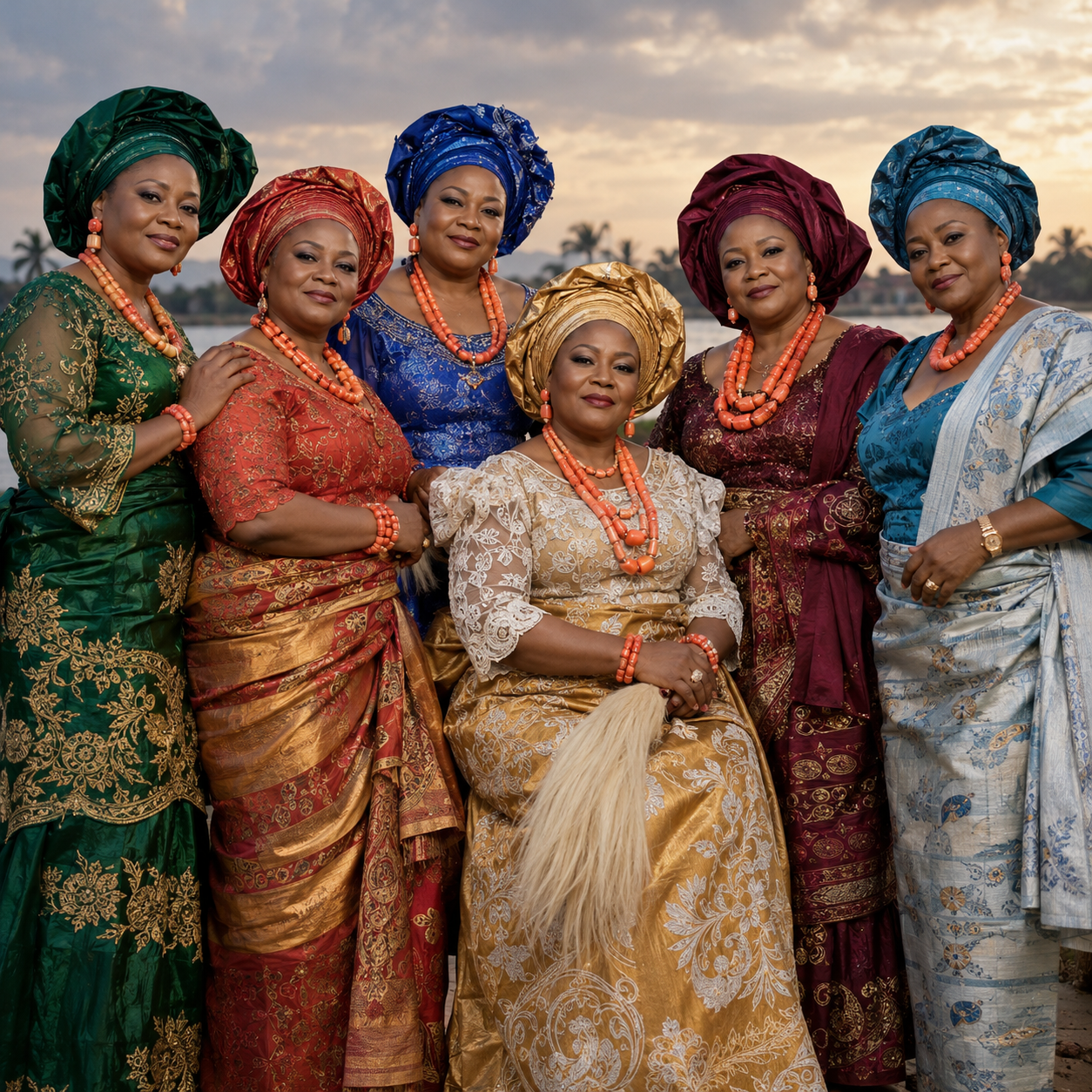
The Directorate was officially inaugurated on 21st April 2025 in collaboration with the prestigious National Institute for Policy and Strategic Studies (NIPSS), Kuru, Jos.
The landmark occasion gathered authorized representatives and women leaders from all registered political parties across Nigeria, alongside esteemed stakeholders from the Independent National Electoral Commission (INEC), prominent civil society organizations, and international development partners. This collaborative unveiling cemented the Directorate’s mandate as a credible, multi-party institutional platform.
National Action Plan on Women's Political Engagement & Mobilization
A structured national roadmap designed to transform women's participation across political parties and governance tiers.
Shortly after its unveiling, the Directorate launched its comprehensive Action Plan on Women's Political Engagement and Mobilization. The documented Action Plan addresses institutional barriers and expands leadership pathways through four dedicated strategic pillars.
1. Advocacy
Championing legislative quotas, the Special Seats for Women Bill, and gender-responsive political party constitution amendments.
2. Grassroots Mobilization
Activating women voters, aspirants, and community leaders at ward, polling unit, and local council levels across the nation.
3. Civic Education
Sensitizing citizens on electoral rights, political participation, the significance of women’s leadership, and democratic rights.
4. Capacity Building
Equipping aspirants and candidates with essential skills in campaign management, public speaking, policy formulation, and negotiation.
Documented Stakeholders & Leadership Context
The original Directorate source document notes the National Action Plan under the recorded chairmanship of the First Lady of the Federal Republic of Nigeria, Sen. Oluremi Bola Ahmed Tinubu, alongside other distinguished public authorities:
- • Minister of Women Affairs
- • Minister of Arts, Culture and Creative Economy
- • Minister of Education (State)
- • Deputy Governor of Ogun State
- • Wife of the Speaker, House of Representatives
- • Senator Ireti Kingibe
- • Former Ministers & Past Female Federal Legislators
- • Serving Female Federal Legislators
Note: These attributions reflect the verbatim historical record of the foundational launch document preserved for official reference.
Expanding Leadership and Participation Nationwide
A five-tier coordination structure ensuring seamless mobilization from national headquarters down to polling units.
To deepen reach and effectiveness, the Directorate has constituted a nationwide structure designed to mobilize and sensitize women across all states and political wards in the federation.
Distinction: National vs. South South Zone
While the nationwide framework encompasses all 36 states and FCT, our Directorate specifically oversees the South South Zonal Directorate, governing the six littoral Niger Delta states:
- • Rivers State Chapter
- • Bayelsa State Chapter
- • Edo State Chapter
- • Delta State Chapter
- • Akwa Ibom State Chapter
- • Cross River State Chapter
Vision, Mission & Strategic Goal
The formal declarations guiding every initiative, advocacy effort, and executive action.
Our Vision
"To build an inclusive and equitable political environment where women across all political parties are empowered, represented, recognised, and actively involved in decision-making, democratic governance, and national development."
Our Mission
"To promote, strengthen, and sustain women's participation in politics and governance through capacity building, advocacy, mentorship, strategic networking, inter-party collaboration, leadership development, and engagement with relevant government institutions, ensuring that qualified women have meaningful opportunities to contribute to governance at all levels."
Our Goal
"To increase women's representation and influence in political leadership and governance by creating opportunities for participation, supporting aspiring and elected women leaders, and advocating for the inclusion of qualified women—including women who contested elections but were unsuccessful—in appointive positions, public institutions, boards, committees, and other governance structures, irrespective of political party affiliation."
Beyond Participation. Towards Meaningful Representation.
"The central philosophy of the Directorate is that women's political participation must not end with election campaigns or electoral victories."
Women possess deep leadership potential, professional expertise, competence, and dedication that should be harnessed for representation and national development regardless of whether they contested and won elective positions.
From campaign participation to decision-making.
From political visibility to meaningful representation.
From electoral competition to collaborative governance.
Our Core Values
The guiding principles underpinning our conduct, collaborations, and regional engagements.
Inclusivity & Equal Opportunity
Promoting equal opportunities for women across political parties, backgrounds, generations, and communities throughout the South South region.
Unity & Collaboration
Building durable bridges across party lines while respecting political diversity, differences of thought, and encouraging constructive, results-oriented engagement.
Integrity & Accountability
Upholding honesty, transparency, ethical leadership, responsible use of entrusted resources, and demonstrable accountability for measurable results.
Empowerment
Equipping women with the actionable knowledge, public skills, self-confidence, strategic networks, and institutional resources required to lead effectively at all levels.
Discover How Our Programmes Support Women Across Nigeria
Explore our seven strategic operational programmes fostering leadership from grassroots to parliament.
Explore Our Programmes →